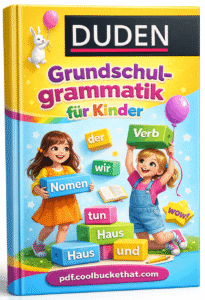
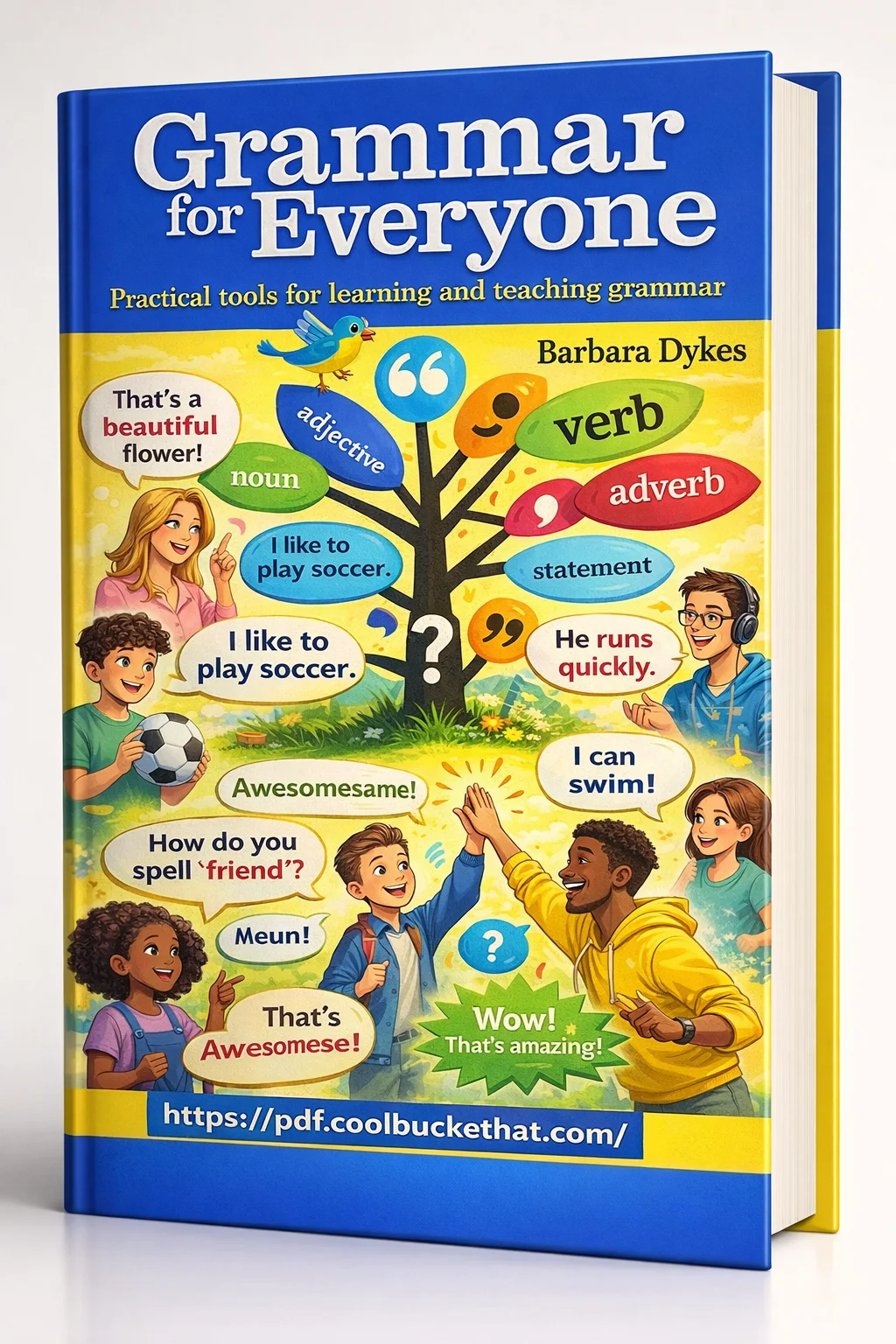
Grammar for Everyone: Practical Tools for Learning and Teaching Grammar
Grammar for Everyone: Practical Tools for Learning and Teaching Grammar highlights an inclusive, flexible, and learner-centered approach to grammar instruction. Grammar is often seen as difficult or boring, yet it is a core skill that supports clear communication in speaking, reading, and writing. When grammar is taught with practical tools and real-life examples, it becomes accessible and meaningful for learners of all ages and levels. This article explores why grammar matters, how it can be taught effectively, and which practical tools support both learning and teaching.
Why Grammar Matters for Everyone
Grammar is the structure of language. It helps people organize words into sentences that make sense. Without grammar, communication becomes unclear and confusing.
Strong grammar skills help learners:
- express ideas clearly
- understand written and spoken language
- write with confidence
- communicate effectively in daily life
Grammar is not just for exams or classrooms. It is a life skill used every day.
Grammar Is Not Only for Advanced Learners
Many people think grammar is only important for advanced students. In reality, grammar learning begins at the earliest stages.
Children, beginners, and adults all need grammar support that matches their level. Simple sentence patterns come first, followed by more complex structures.
Grammar should grow naturally with language use.
A Practical Approach to Grammar Learning
Practical grammar focuses on usage rather than memorization. Learners understand grammar best when they see how it works in real sentences.
Instead of long explanations, practical tools use:
- examples from daily life
- short exercises
- meaningful contexts
This approach makes grammar useful and easier to remember.
Grammar Through Real-Life Language
Language is learned best when it reflects real communication. Grammar taught through real-life situations feels relevant and motivating.
Examples include:
- conversations
- short texts
- emails and messages
- everyday instructions
Learners understand not only the rule, but also when and why it is used.
Making Grammar Accessible and Inclusive
Grammar instruction should be inclusive. Every learner has a different background, age, and learning style.
Using clear language, visuals, and step-by-step explanations makes grammar accessible to everyone.
An inclusive approach reduces fear and builds confidence.
Tools That Support Grammar Learning
Practical grammar tools help learners actively engage with language. These tools encourage practice and discovery.
Effective tools include:
- worksheets and workbooks
- sentence-building activities
- fill-in-the-blank exercises
- matching and sorting tasks
Hands-on practice turns grammar into a skill, not just knowledge.
Grammar for Teachers: Clear and Flexible Strategies
Teachers need tools that are easy to adapt. Practical grammar resources save time and support clear instruction.
Good teaching tools:
- explain concepts simply
- include examples and practice
- allow differentiation for mixed levels
Flexible tools help teachers respond to learners’ needs.
Grammar for Learners: Building Confidence Step by Step
Learners often feel anxious about grammar. Practical tools reduce this anxiety by breaking learning into small steps.
Each success builds confidence. Learners feel encouraged rather than overwhelmed.
Confidence leads to better participation and progress.
Learning Grammar Through Sentences
Sentences are the best place to learn grammar. They show how words work together naturally.
Sentence-based learning helps learners:
- see grammar in context
- understand word order
- apply rules immediately
Grammar becomes part of communication, not a separate subject.
The Role of Repetition in Grammar Learning
Repetition is essential for grammar mastery. Learners need repeated exposure to patterns.
Practical tools repeat structures in different contexts. This reinforces learning without boredom.
With repetition, grammar becomes automatic.
Grammar and Communication Skills
Grammar supports clear communication. When learners use correct grammar, they are easier to understand.
Good grammar improves:
- speaking clarity
- writing accuracy
- reading comprehension
Communication becomes more effective and confident.
Grammar for Children: Simple and Visual
Children learn grammar best through simple language and visuals. Long explanations are not effective for young learners.
Practical tools for children include:
- pictures and stories
- short sentences
- playful activities
Grammar learning feels like play, not work.
Grammar for Adults: Relevant and Respectful
Adult learners want grammar that helps them in real situations. Practical grammar focuses on usefulness.
Adults benefit from:
- workplace examples
- everyday communication tasks
- clear explanations without oversimplifying
Respectful instruction increases motivation.
Grammar and Reading Development
Grammar knowledge improves reading comprehension. Learners understand sentence structure and meaning more easily.
When grammar is clear, reading becomes smoother and faster.
Reading and grammar support each other.
Grammar and Writing Skills
Writing depends heavily on grammar. Practical grammar tools support sentence construction and clarity.
Learners learn how to:
- form correct sentences
- use punctuation
- organize ideas
Strong grammar leads to confident writing.
Grammar Through Error Awareness
Mistakes are part of learning. Practical grammar tools use errors as learning opportunities.
When learners understand why something is incorrect, improvement follows.
A positive attitude toward mistakes supports growth.
Supporting Different Learning Styles
Not all learners learn the same way. Practical grammar tools often combine visual, written, and hands-on activities.
This variety supports:
- visual learners
- hands-on learners
- reflective learners
Flexible tools reach more learners effectively.
Grammar for Multilingual and ESL Learners
Multilingual learners benefit from clear, structured grammar instruction.
Practical tools:
- reduce confusion
- highlight patterns
- connect grammar to meaning
This support builds confidence in a new language.
Creating a Positive Grammar Learning Environment
A supportive environment is essential. Grammar should not feel like punishment or criticism.
Encouragement, patience, and clear guidance help learners succeed.
Positive experiences change attitudes toward grammar.
Integrating Grammar Into Daily Learning
Grammar does not need to be taught separately. It can be integrated into reading, writing, and speaking activities.
This integration makes grammar natural and relevant.
Learning becomes meaningful and connected.
Assessment Through Practice, Not Pressure
Practical grammar assessment focuses on usage, not memorization.
Short exercises, sentence writing, and communication tasks show real understanding.
Assessment becomes supportive, not stressful.
Long-Term Benefits of Practical Grammar Learning
Practical grammar instruction supports:
- lifelong communication skills
- academic success
- professional confidence
- clearer thinking and expression
Grammar skills grow stronger over time with consistent use.
Why Grammar Is Truly for Everyone
Grammar belongs to all learners, not just experts. With the right tools, everyone can learn and use grammar effectively.
Accessibility, clarity, and relevance make grammar approachable.
Learning grammar becomes empowering, not intimidating.
Final Thoughts
Grammar for Everyone: Practical Tools for Learning and Teaching Grammar emphasizes that grammar should be clear, useful, and inclusive. When taught through practical tools and real-life contexts, grammar becomes easier to understand and apply. Learners gain confidence, and teachers gain effective strategies that support diverse needs. Grammar is not about memorizing rules; it is about building communication skills that last a lifetime. With the right approach, grammar truly becomes for everyone.
Why Ages 5–6 Are So Important for Learning
The ages of five and six are a bridge between preschool and formal schooling. Children become more curious, independent, and ready for structured learning.
At this stage, children are developing:
- early reading and writing skills
- number sense and problem-solving
- hand–eye coordination
- attention and focus
- confidence and independence
An activity book helps guide this development in a playful and stress-free way.
What Is an Activity Book for 5–6 Year Children
An activity book for 5–6 year olds is a collection of age-appropriate tasks designed to support learning through hands-on practice.
These books usually include:
- coloring and drawing activities
- tracing letters and numbers
- matching and sorting exercises
- puzzles and mazes
- simple reading and thinking tasks
Each activity is short, clear, and enjoyable.
Learning Through Play and Engagement
Children learn best when they are having fun. Activity books turn learning into play.
Instead of memorizing information, children actively participate. They color, trace, circle, and solve problems.
This active involvement improves understanding and memory while keeping motivation high.
Supporting Early Literacy Skills
Many activities focus on early reading and writing. Children practice recognizing letters, sounds, and simple words.
Common literacy activities include:
- alphabet tracing
- letter matching
- beginning sounds
- simple word recognition
These activities prepare children for confident reading and writing in school.
Building Early Math Skills
Activity books also support early math development. Children begin to understand numbers, shapes, and patterns.
Math-based activities may include:
- counting objects
- number tracing
- shape recognition
- simple comparisons
These skills form the foundation for future math learning.
Improving Fine Motor Skills
Fine motor skills are essential for writing and daily tasks. Activity books help strengthen hand muscles and coordination.
Coloring, tracing, and drawing improve:
- pencil control
- hand strength
- coordination
- focus
Strong fine motor skills make school tasks easier and less tiring.
Encouraging Thinking and Problem-Solving
Puzzles and logic games help children think critically. They learn to observe, compare, and make decisions.
Activities such as mazes, spot-the-difference, and matching tasks build problem-solving skills.
These skills support learning across all subjects.
Developing Attention and Focus
Children aged 5–6 are learning to focus for longer periods. Short, engaging activities help build this ability.
Completing one task at a time teaches patience and concentration.
Improved focus supports classroom learning and daily routines.
Boosting Confidence and Independence
When children complete activities successfully, they feel proud. This sense of achievement builds confidence.
Activity books encourage children to work independently. They learn to follow instructions and complete tasks on their own.
Confidence supports a positive attitude toward learning.
Supporting Creativity and Imagination
Creativity is just as important as academic skills. Coloring and drawing activities allow children to express themselves freely.
Creative tasks help children:
- explore ideas
- express emotions
- develop imagination
Creative expression supports emotional and social development.
Ideal for Home Learning
Parents can easily use activity books at home. They require little preparation and are simple to follow.
Activity books are great for:
- after-school practice
- weekend learning
- quiet time activities
- travel or screen-free time
Short daily sessions are enough to see progress.
Useful in Classrooms and Learning Centers
Teachers often use activity books to support classroom learning. They work well for individual work, small groups, or learning centers.
Activity books help reinforce lessons in a calm and structured way.
They also support children with different learning speeds.
Supporting Different Learning Styles
Children learn in different ways. Activity books often include visual, hands-on, and thinking-based tasks.
This variety supports:
- visual learners
- hands-on learners
- quiet, independent learners
A mix of activities keeps all children engaged.
Helping Children Prepare for School Success
An activity book helps children become familiar with school-style tasks. They learn to sit, focus, and complete work.
This preparation makes the transition to school smoother and less stressful.
Children feel more confident and ready to learn.
Reducing Screen Time Positively
Activity books offer a healthy alternative to screen time. They keep children engaged without digital devices.
Hands-on activities support real-world learning and interaction.
Balanced learning habits are built early.
Encouraging Parent–Child Interaction
Parents can work alongside children using activity books. This shared time strengthens relationships.
Simple encouragement and praise motivate children to keep learning.
Positive support makes learning enjoyable.
Building Routine and Structure
Regular activity book time helps create a learning routine. Predictable routines support emotional security.
Children learn that learning can be part of daily life.
Consistency leads to better results.
Supporting Emotional Development
Some activities help children recognize emotions, follow rules, and practice patience.
These skills are important for social success in school and beyond.
Emotional learning supports overall development.
Adapting to Individual Pace
Activity books allow children to move at their own speed. There is no pressure to rush.
Children can repeat activities if needed.
This flexibility supports confidence and understanding.
Choosing the Right Activity Book
A good Activity Book 5–6 Year Children should be:
- age-appropriate
- visually clear
- fun and engaging
- educational but not overwhelming
Quality design makes learning easier and more effective.
Long-Term Benefits of Activity Books
Regular use of activity books supports:
- strong learning habits
- confidence in skills
- readiness for school
- love for learning
These benefits last beyond early childhood.
Final Thoughts
Activity Book 5–6 Year Children resources play a valuable role in early childhood education. By combining fun, creativity, and learning, they support literacy, math, motor skills, and confidence at a critical stage of development. Whether used at home or in the classroom, an activity book helps children learn naturally and joyfully. With consistent practice and encouragement, children build strong foundations that prepare them for school and lifelong learning.
Why Dialogue Practice Is Important for Learning German
Learning a language is not only about memorizing words or grammar rules. Communication is the real goal. Dialogues help learners understand how words come together in real speech.
Dialogue practice helps beginners:
- learn natural sentence patterns
- understand everyday expressions
- improve listening and speaking skills
- gain confidence in conversations
By practicing dialogues, learners move from theory to real communication.
Designed Especially for Beginners
This book is created for learners with little or no prior knowledge of German. The language is simple, clear, and carefully structured.
Sentences are short and easy to understand. New words are introduced gradually and repeated often. This approach reduces stress and builds confidence step by step.
Beginners feel supported instead of overwhelmed.
Real-Life Situations Made Simple
The dialogues are based on everyday situations that beginners are likely to face.
Common topics include:
- greetings and introductions
- shopping and ordering food
- asking for directions
- daily routines
- school, work, and travel
Because the situations are realistic, learners can quickly apply what they learn in real life.
Building Speaking Confidence Early
Many beginners feel nervous about speaking German. Dialogue practice helps overcome this fear.
Reading and practicing short conversations allows learners to rehearse language in a safe way. With repetition, speaking feels more natural and less intimidating.
Confidence grows with every successful practice session.
Improving Listening Skills Naturally
Dialogues are not only for speaking. They also improve listening comprehension.
Learners become familiar with:
- common sentence patterns
- question-and-answer structures
- conversational rhythm
This familiarity makes it easier to understand spoken German in real situations.
Simple Vocabulary With High Practical Value
The vocabulary used in the dialogues is carefully chosen. Words are common, useful, and relevant to daily life.
Instead of rare or complex words, the focus is on language learners actually need.
This practical vocabulary supports faster communication.
Clear Sentence Structure for Easy Understanding
German sentence structure can feel confusing to beginners. Dialogues show how sentences are formed in a natural context.
Learners see grammar in action rather than isolated rules. This helps them understand how German really works.
Grammar becomes clearer through use, not memorization.
Step-by-Step Learning Approach
The book follows a gradual learning progression. Dialogues start very simple and slowly become more detailed.
Each new dialogue builds on previous knowledge. This structure prevents learning gaps and confusion.
Progress feels steady and achievable.
Ideal for Self-Study and Classroom Use
Easy German Dialogues Practice for Beginners Book works well for independent learners and classroom environments.
Learners can:
- practice alone by reading dialogues aloud
- role-play with a partner
- use dialogues for listening and speaking exercises
Teachers can easily integrate dialogues into lessons.
Encouraging Pronunciation Practice
Dialogue reading is an excellent way to practice pronunciation. Short sentences make it easier to focus on sounds.
Learners can repeat dialogues multiple times to improve clarity and fluency.
Good pronunciation builds speaking confidence.
Helping Learners Think in German
Dialogues help learners stop translating word by word. With repeated practice, common phrases become automatic.
Thinking in German becomes easier when learners recognize whole sentence patterns.
This is a major step toward fluency.
Supporting English and Non-English Speakers
The simple language and clear structure make this book suitable for learners from different language backgrounds.
Even learners who are not strong in English can follow the dialogues easily.
This inclusivity makes the book widely useful.
Reducing Fear of Making Mistakes
Dialogues provide a safe space to practice. Mistakes are part of learning and are expected.
Because dialogues are short and guided, learners feel less pressure.
This positive environment encourages experimentation and growth.
Perfect for Short Daily Practice
Long study sessions are not always effective. Dialogue practice works well in short daily sessions.
Even 10–15 minutes a day can lead to noticeable improvement.
Consistency is more important than duration.
Improving Reading and Speaking Together
Dialogue practice strengthens both reading and speaking skills at the same time.
Learners read sentences, understand meaning, and say them aloud.
This combined practice leads to faster progress.
Preparing Learners for Real Conversations
One of the biggest challenges for beginners is real conversation. Dialogues prepare learners for this step.
They learn:
- how to start conversations
- how to respond naturally
- how to end conversations politely
These skills are essential for daily communication.
Using Role-Play for Better Learning
Role-play makes learning interactive and fun. Learners can take different roles in a dialogue.
This active learning improves memory and confidence.
Role-play also makes lessons more engaging.
Supporting Vocabulary Retention
Words used in dialogues are repeated across different situations. This repetition helps long-term memory.
Vocabulary learned in context is easier to remember and use.
Retention improves naturally.
Making Learning Enjoyable and Motivating
Learning German does not have to feel difficult. Dialogues make lessons more interesting.
Learners enjoy understanding and speaking meaningful language.
Enjoyment increases motivation and consistency.
Suitable for Teenagers and Adults
Although simple, the dialogues are not childish. They are suitable for teenagers and adult beginners.
This makes the book versatile for different age groups.
Respectful, practical content supports mature learners.
Building a Strong Foundation for Further Learning
Dialogue practice builds a strong base for advanced speaking, listening, and grammar study.
Learners who start with dialogues progress faster at higher levels.
A strong foundation makes future learning easier.
Adapting Learning to Individual Pace
Learners can repeat dialogues as often as needed. There is no pressure to move quickly.
This flexibility supports different learning speeds and styles.
Personalized learning leads to better results.
Long-Term Benefits of Dialogue Practice
Regular dialogue practice supports:
- confident speaking
- better listening comprehension
- improved pronunciation
- real-life communication skills
These benefits extend beyond the beginner level.
Why This Book Is a Smart Choice
Easy German Dialogues Practice for Beginners Book focuses on practical communication, not just theory.
It offers:
- simple, realistic dialogues
- beginner-friendly structure
- clear and useful language
- confidence-building practice
This makes it a valuable resource for anyone starting German.
Final Thoughts
Easy German Dialogues Practice for Beginners Book is an excellent starting point for learners who want to speak German with confidence. By focusing on simple, real-life conversations, the book helps beginners move from understanding words to using them in meaningful communication. With regular practice, learners develop confidence, fluency, and a natural feel for the language. Whether used for self-study or in the classroom, this book makes learning German practical, enjoyable, and effective.
Why Use CVC Words with Emojis
CVC words are easy to decode because each letter makes a clear sound. Adding emojis:
- supports visual learning
- boosts memory and attention
- helps English language learners
- makes practice fun and stress-free
This approach works well for preschool, kindergarten, Grade 1, and remedial reading.
Short Vowel A CVC Words (20)
- cat

- bat

- hat

- rat

- mat

- fan

- cap

- map

- bag

- jam

- pan

- man

- van

- tap

- can

- sad

- mad

- dad

- bad

- tag

Short Vowel E CVC Words (20)
- bed

- red

- hen

- pen

- ten

- net

- jet

- leg

- web

- fed

- get

- met

- wet

- pet

- den

- men

- beg

- yes

- led

- set

Short Vowel I CVC Words (20)
- pig

- dig

- sit

- bit

- hit

- pin

- lip

- lid

- fig

- fin

- win

- bin

- fix

- mix

- zip

- kid

- six

- big

- wig

- rib

Short Vowel O CVC Words (20)
- dog
- log

- fog

- hog

- pot

- hot

- dot

- lot

- top

- box

- fox

- job

- mom

- cop

- mop

- pop

- rod

- sob

- jog

- cot
Short Vowel U CVC Words (20)
- sun

- bun

- cup

- mug

- bug

- rug

- tub

- bus

- hut

- fun

- run

- cut

- mud

- jug

- nut
- pup

- hug

- sub

- rub

- gum

How to Use These CVC Words with Kids
- Read aloud and point to the emoji
- Match words to pictures or toys
- Sort by vowel sounds
- Build sentences (e.g., The cat is big)
- Play games like word bingo or flashcards
Short, daily practice (5–10 minutes) works best.
Benefits of Learning CVC Words with Emojis
- strengthens phonics and blending
- improves vocabulary and confidence
- supports visual and ESL learners
- prepares children for sentences and stories
Final Thoughts
100 CVC WORDS with Emoji for Kids turns early reading into a joyful learning experience. By combining simple phonics words with colorful emojis, children stay engaged, understand meaning faster, and build confidence naturally. Whether used at home or in the classroom, this approach lays a strong foundation for fluent reading and lifelong literacy success.
Why Reading Practice Is Important for Beginners
Reading is the foundation of language learning. It helps learners see how words are used in real sentences and situations.
For beginners, regular reading practice:
- Improves vocabulary naturally
- Strengthens grammar understanding
- Builds reading confidence
- Supports speaking and writing skills
Reading also helps learners think in English instead of translating from their first language.
What Beginners Should Focus On When Reading
Beginners should start with simple and clear content. Texts should match their level so reading feels achievable.
Good beginner reading materials include:
- Short sentences
- Simple vocabulary
- Familiar topics
- Repetition of common words
This approach reduces frustration and supports steady learning.
Starting With Short and Simple Texts
Long or complex texts can discourage beginners. Short passages help learners stay focused.
Simple texts allow beginners to:
- Read without stress
- Understand meaning easily
- Finish reading tasks successfully
Success with short texts builds motivation to continue learning.
Building Vocabulary Through Reading
Reading introduces new words in context. This makes vocabulary easier to remember.
Instead of memorizing word lists, beginners learn words naturally by seeing them used in sentences.
Repeated exposure to common words helps learners recognize and use them confidently.
Understanding Sentence Structure
Reading helps beginners understand how English sentences are formed.
They learn:
- Word order
- Use of verbs
- Basic grammar patterns
Seeing grammar in use makes it easier to understand and apply.
The Role of Phonics in Reading Practice
Phonics helps beginners connect letters with sounds. This is especially important for learners who are new to English.
Phonics-based reading:
- Improves pronunciation
- Helps decode new words
- Builds reading accuracy
Strong phonics skills make reading smoother and more confident.
Using Sight Words in Reading
Sight words are common words that appear often in English texts. Beginners should learn these words early.
Recognizing sight words helps reading flow more smoothly.
Sight word practice supports fluency and comprehension.
Reading Aloud for Better Learning
Reading aloud is a powerful practice technique. It helps beginners hear how English sounds.
Benefits of reading aloud include:
- Better pronunciation
- Improved confidence
- Stronger memory
Reading aloud also helps learners notice mistakes and correct them.
Improving Comprehension Step by Step
Understanding what you read is just as important as reading the words.
Beginners can improve comprehension by:
- Reading slowly
- Re-reading difficult parts
- Asking simple questions about the text
Comprehension grows with practice and patience.
Making Reading a Daily Habit
Consistency is key to success. Short daily reading sessions are more effective than long, irregular ones.
Even 10–15 minutes a day can lead to noticeable improvement.
Daily practice builds strong learning habits.
Using Pictures to Support Understanding
Pictures help beginners understand meaning quickly. Visual support reduces the need for translation.
Reading materials with pictures are especially helpful at early stages.
Images make learning easier and more enjoyable.
Choosing the Right Reading Materials
Good reading materials for beginners should be:
- Level-appropriate
- Clear and simple
- Interesting and relevant
- Repetitive but not boring
Choosing the right content makes a big difference in progress.
Reading for Pleasure, Not Pressure
Beginners should enjoy reading, not fear it. Learning is faster when it feels relaxed.
There is no need to understand every word. Focus on overall meaning.
Enjoyment builds motivation and confidence.
Supporting English Language Learners
English reading practice is especially important for English language learners.
Reading helps learners become familiar with everyday English used in real life.
Simple texts support pronunciation, vocabulary, and grammar at the same time.
Reading and Speaking Go Together
Reading improves speaking skills. When learners read more, they gain confidence using words in conversation.
Reading exposes learners to correct sentence patterns and expressions.
This supports natural speech development.
Reading and Writing Connection
Reading helps beginners become better writers. Seeing correct sentences helps learners write their own.
Vocabulary and grammar learned through reading appear naturally in writing.
Strong reading skills support clear writing.
Using Repetition to Build Confidence
Re-reading the same text is helpful, not boring. Each reading improves understanding and speed.
Repetition builds fluency and reduces hesitation.
Confidence grows with familiarity.
Reading in Small Steps
Learning English takes time. Small steps lead to big progress.
Beginners should:
- Start easy
- Practice regularly
- Increase difficulty slowly
Patience leads to success.
Overcoming Common Reading Challenges
Beginners may feel slow or make mistakes. This is normal.
Mistakes are part of learning. With practice, reading becomes easier.
Positive attitude and persistence matter.
Reading With Support
Beginners benefit from guidance. Teachers, parents, or language partners can help.
Reading together builds confidence and motivation.
Support makes learning less stressful.
Tracking Progress in Reading
Progress can be seen through:
- Faster reading
- Better understanding
- Increased confidence
Noticing improvement motivates learners to continue.
Long-Term Benefits of Reading Practice
Regular reading practice supports:
- Fluent reading
- Strong vocabulary
- Better grammar
- Confident communication
These skills are useful in school, work, and daily life.
Preparing for Advanced English Learning
Strong reading foundations make advanced learning easier.
Beginners who read regularly progress faster to higher levels.
Reading opens the door to lifelong learning.
Making Reading Part of Everyday Life
Reading can be part of daily routines. Labels, signs, and short texts offer practice opportunities.
Every bit of reading helps.
Learning becomes natural and continuous.
Final Thoughts
English Reading Practice for Beginners is a key step toward mastering the language. With simple texts, regular practice, and a positive mindset, beginners can build confidence and skills steadily. Reading improves vocabulary, grammar, and understanding while supporting speaking and writing. By practicing a little every day and choosing the right materials, learners can enjoy the journey and achieve lasting success in English.
In this guide, you will find easy stories followed by simple questions and activities.
Story 1: The Fat Cat
A fat cat sits on a mat.
The cat sees a rat.
The rat runs fast.
The cat jumps.
The rat is gone.
Comprehension Questions
Where does the cat sit?
What does the cat see?
What happens to the rat?
Phonics Focus
-at family (cat, fat, mat, rat)
Short a sound
Activity
Circle the -at words:
cat mat pig rat sun
Story 2: The Big Dog
The dog is big.
The dog can dig.
The dog digs in the mud.
The dog runs in the sun.
The dog is happy.
Comprehension Questions
What can the dog do?
Where does the dog dig?
Is the dog sad or happy?
Phonics Focus
-ig family (big, dig)
Short u sound (sun)
Activity
Fill in the missing letter:
d _ g
b _ g
d _ g
Story 3: The Red Hat
Sam has a red hat.
The hat is on his head.
Sam runs to the park.
The hat does not fall.
Sam is glad.
Comprehension Questions
What does Sam have?
Where does Sam run?
Does the hat fall?
Phonics Focus
Short a sound
-at family
Activity
True or False:
Sam has a blue hat. (True / False)
Sam runs to the park. (True / False)
Story 4: The Little Pig
The pig sits in a pen.
The pig is small.
The pig sees a bug.
The pig runs to the mud.
The pig is wet.
Comprehension Questions
Where does the pig sit?
What does the pig see?
Is the pig dry or wet?
Phonics Focus
Short i (pig, sits)
Short u (bug, mud)
Activity
Match the word:
pig → 🐷
bug → 🐞
pen → 🖊
Tips for Better Story Time Practice
To improve phonics reading comprehension:
Read the story aloud first.
Let the child reread independently.
Encourage finger tracking.
Ask questions after reading.
Practice 10–15 minutes daily.
Repeated reading improves fluency.
Benefits of Phonics Reading Comprehension
Phonics Reading Comprehension (Story Time) 1 helps children:
Blend sounds smoothly
Recognize word families
Improve reading speed
Strengthen understanding
Build reading confidence
Short stories keep learners motivated.
Final Thoughts
Phonics Reading Comprehension (Story Time) 1 provides structured and enjoyable reading practice for early learners. By combining simple phonics patterns with comprehension questions, children develop both decoding and understanding skills.
Keep reading sessions short and positive. Celebrate small successes.
With daily practice and encouragement, young readers will grow into confident and fluent learners.