Phonetik und Phonologie einfach erklärt für Sprache & Lernen
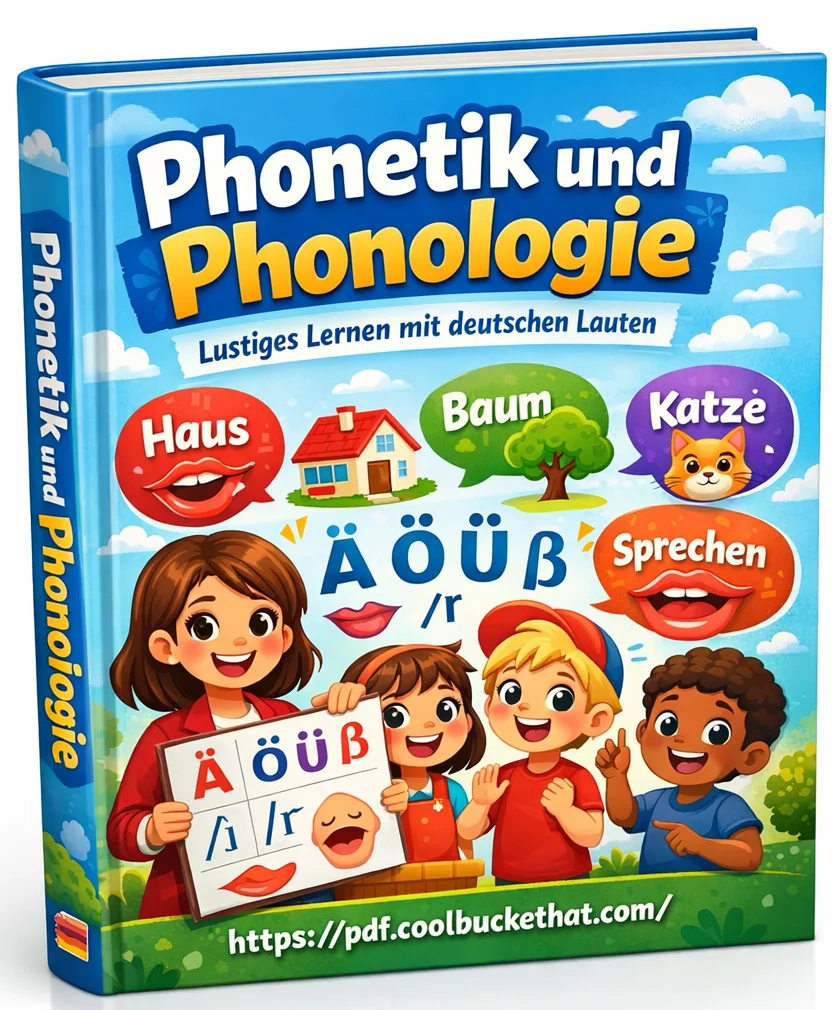
Phonetik und Phonologie gehören zu den wichtigsten Bereichen der Sprachwissenschaft. Sie beschäftigen sich mit Lauten, ihrer Bildung und ihrer Funktion in der Sprache. Obwohl diese Themen zunächst technisch wirken, spielen sie eine zentrale Rolle im täglichen Sprechen, Hören und Verstehen.
Dieser Artikel erklärt die Grundlagen auf eine klare und verständliche Weise. Er richtet sich an Studierende, Sprachlernende und alle, die Sprache besser verstehen möchten – ohne komplizierte Fachsprache oder theoretische Überforderung.
Warum Lautsysteme für Sprache so wichtig sind
Sprache besteht nicht nur aus Wörtern und Grammatik. Sie beginnt mit Lauten. Diese Laute tragen Bedeutung und unterscheiden Wörter voneinander.
Schon kleine Unterschiede im Klang können große Bedeutungsunterschiede erzeugen. Deshalb ist das Verständnis von Lautsystemen entscheidend für klare Kommunikation.
Wer sich mit Sprachlauten beschäftigt, hört genauer zu. Gleichzeitig spricht er bewusster. Das verbessert Aussprache, Hörverstehen und Sprachgefühl.
Was hinter der Lautbildung steckt
Laute entstehen durch komplexe Bewegungen im Mund- und Rachenraum. Zunge, Lippen und Stimmbänder arbeiten zusammen. Jede kleine Veränderung beeinflusst den Klang.
Einige Laute werden stimmhaft gebildet. Andere sind stimmlos. Manche entstehen durch Luftstrom, andere durch Verschluss.
Diese physischen Prozesse erklären, warum bestimmte Laute schwerer auszusprechen sind als andere. Besonders beim Erlernen einer Fremdsprache wird das schnell deutlich.
Vom einzelnen Laut zur Bedeutung
Nicht jeder Laut trägt automatisch Bedeutung. Entscheidend ist, ob ein Laut Bedeutung unterscheidet.
Zum Beispiel kann ein kleiner Lautwechsel ein völlig anderes Wort erzeugen. Sprache nutzt diese Unterschiede systematisch. Dadurch entstehen klare Signale für den Hörer.
Dieses Zusammenspiel von Lautform und Bedeutung ist ein zentrales Thema in Phonetik und Phonologie und erklärt, warum Lautsysteme strukturiert und nicht zufällig sind.
Wie Kinder Laute lernen
Kinder lernen Sprache nicht durch Regeln. Sie hören zu, imitieren und experimentieren. Dabei entwickeln sie ein feines Gehör für Laute.
Zuerst werden einfache Laute gebildet. Komplexere folgen später. Dieser Prozess ist erstaunlich ähnlich in vielen Sprachen.
Das zeigt, dass Lautsysteme universelle Prinzipien besitzen. Gleichzeitig unterscheiden sie sich je nach Sprache deutlich.
Bedeutung für das Fremdsprachenlernen
Beim Lernen einer neuen Sprache ist Aussprache oft eine Herausforderung. Gewohnte Lautmuster aus der Muttersprache beeinflussen das Sprechen.
Wer die Lautstruktur bewusst wahrnimmt, macht schnell Fortschritte. Fehler werden erkannt. Akzente werden reduziert.
Hörtraining, Nachsprechen und gezielte Übungen helfen dabei. Besonders effektiv ist das Lernen in kurzen, regelmäßigen Einheiten.
Lautwahrnehmung und Hörverstehen
Hören ist ein aktiver Prozess. Das Gehirn filtert und interpretiert Laute in Echtzeit. Dabei spielen Erfahrung und Erwartung eine große Rolle.
Menschen hören vertraute Laute leichter als fremde. Deshalb fällt das Verstehen neuer Sprachen am Anfang schwer.
Mit Training verbessert sich diese Fähigkeit deutlich. Das Gehör passt sich an neue Muster an. Dadurch wird Kommunikation flüssiger.
Schrift und Laut – keine perfekte Übereinstimmung
Viele glauben, dass Buchstaben direkt Laute abbilden. In Wirklichkeit ist das nur teilweise korrekt.
Schriftsysteme sind historisch gewachsen. Sie bilden Lautveränderungen nicht immer vollständig ab. Deshalb gibt es stille Buchstaben oder mehrere Schreibweisen für ähnliche Laute.
Ein Verständnis der Lautstruktur hilft, diese Unterschiede besser einzuordnen und Rechtschreibung bewusster zu nutzen.
Sprachvariation und Akzente
Jede Sprache kennt regionale Varianten. Diese zeigen sich besonders deutlich in der Aussprache.
Dialekte bewahren oft ältere Lautformen. Standardsprache entwickelt sich dagegen stärker durch Medien und Bildung.
Akzente sind kein Fehler. Sie sind Ausdruck sprachlicher Vielfalt. Gleichzeitig zeigt ihre Analyse, wie flexibel Lautsysteme sein können.
Sprache im Wandel
Laute verändern sich mit der Zeit. Was heute korrekt klingt, war früher vielleicht anders.
Solche Veränderungen passieren langsam. Sie werden von Generation zu Generation weitergegeben. Schrift hält ältere Formen fest, während die Aussprache sich weiterentwickelt.
Diese Dynamik macht Sprache lebendig und erklärt viele heutige Besonderheiten.
Verbindung zu anderen Sprachbereichen
Lautsysteme stehen nicht isoliert. Sie beeinflussen Grammatik, Wortbildung und Bedeutung.
Zum Beispiel können Lautmuster bestimmte Wortformen begünstigen. Auch Reime, Rhythmus und Sprachmelodie spielen eine Rolle in Literatur und Alltagssprache.
Wer diese Zusammenhänge versteht, erkennt Sprache als ein zusammenhängendes System.
Praktische Anwendung im Alltag
Das Wissen über Lautstrukturen ist nicht nur theoretisch. Es hilft ganz praktisch.
Lehrkräfte erklären Aussprache gezielter. Lernende verbessern ihr Sprechen. Sprecher wirken klarer und verständlicher.
Auch in Bereichen wie Sprachtherapie, Medien oder Technologie ist dieses Wissen unverzichtbar.
Digitale Sprache und neue Herausforderungen
Spracherkennung und Sprachsynthese gewinnen an Bedeutung. Maschinen müssen Laute erkennen und produzieren.
Dafür braucht es genaue Modelle von Lautsystemen. Menschliche Sprache dient dabei als Vorlage.
Je besser diese Systeme verstanden werden, desto natürlicher wird digitale Kommunikation.
Warum dieses Wissen langfristig nützt
Ein gutes Sprachgefühl entwickelt sich über Zeit. Bewusstes Hören und Sprechen beschleunigt diesen Prozess.
Wer Lautsysteme versteht, lernt neue Sprachen leichter. Fehler werden schneller erkannt. Kommunikation wird sicherer.
Deshalb bleibt Phonetik und Phonologie ein zentrales Thema für alle, die Sprache ernsthaft nutzen oder erforschen.
Sprache als hörbares System
Sprache ist Klang in Bewegung. Sie lebt vom Hören, Sprechen und Verstehen.
Laute verbinden Gedanken mit Bedeutung. Sie tragen Emotionen, Nuancen und Informationen.
Dieses hörbare System macht Sprache menschlich und lebendig.
Final Thoughts
Lautsysteme bilden das Fundament jeder Sprache. Sie beeinflussen, wie wir sprechen, hören und verstehen. Ein klares Verständnis verbessert Kommunikation auf allen Ebenen.
Durch bewusstes Zuhören und Üben wächst sprachliche Sicherheit. Lernen wird effektiver und nachhaltiger.
Phonetik und Phonologie helfen dabei, Sprache nicht nur zu benutzen, sondern wirklich zu verstehen.
German How to Speak and Write It is a topic that attracts learners who want more than memorized phrases. Speaking and writing German well requires balance. Vocabulary alone is not enough. Grammar, structure, and clarity must work together to express ideas naturally and confidently.
This article explains how learners can improve both spoken and written German in a practical way. It focuses on real communication, not academic complexity. The goal is to make learning effective, readable, and enjoyable for blog readers.
Why Speaking and Writing Should Be Learned Together
Many learners separate speaking and writing. However, both skills support each other. When learners write clearly, they also speak more accurately. When they speak regularly, writing becomes more natural.
Speaking helps with:
- pronunciation
- sentence rhythm
- confidence
Writing helps with:
- grammar accuracy
- structure
- vocabulary control
Together, these skills build strong language awareness. Instead of treating them separately, learners should develop them side by side.
Understanding Sentence Structure in German
German sentence structure is logical but strict. The verb position plays a central role. Once learners understand this rule, communication improves quickly.
In main sentences, the verb usually appears in the second position. In subordinate sentences, it moves to the end. This pattern affects both speech and writing.
Short sentences help beginners control structure. Over time, longer sentences feel more comfortable. Clear structure leads to clear meaning.
Building Spoken Confidence Step by Step
Speaking German can feel intimidating at first. Fear of mistakes often stops learners from practicing. However, mistakes are part of progress.
Confidence grows when learners:
- speak regularly
- repeat common sentence patterns
- focus on meaning, not perfection
Simple conversations create strong foundations. Gradually, vocabulary expands. Pronunciation improves through exposure and repetition.
This approach aligns closely with the philosophy behind German How to Speak and Write It, where communication comes before perfection.
Writing Clearly Without Overcomplicating
Writing in German does not require complex sentences. Clear writing often uses simple structures. Short paragraphs improve readability and flow.
Good writing habits include:
- clear sentence order
- consistent verb tense
- correct punctuation
Learners should write regularly. Journals, short texts, or messages work well. Feedback helps identify patterns and improve accuracy.
Writing is not about speed. It is about clarity.
Vocabulary That Works in Real Situations
Memorizing long word lists is rarely effective. Vocabulary should be learned in context. Words become useful when connected to real situations.
Effective vocabulary learning includes:
- phrases instead of single words
- example sentences
- repeated usage
This method improves both speaking and writing. Learners recall words faster and use them more naturally.
Grammar as a Communication Tool
Grammar is often feared. However, grammar exists to support meaning. It helps speakers express time, intention, and relationships clearly.
Instead of learning rules in isolation, learners should observe patterns. Practice turns rules into habits.
Common grammar areas that support communication include:
- verb tenses
- word order
- articles and cases
With time, grammar feels less like rules and more like instinct.
Pronunciation and Its Impact on Understanding
Clear pronunciation improves communication instantly. German pronunciation follows consistent patterns. Once learned, these patterns help learners sound more natural.
Listening plays a key role. Learners should listen to native speakers through audio, videos, or conversations. Repetition strengthens pronunciation and rhythm.
Speaking slowly at first improves accuracy. Speed comes later.
Writing Style and Tone in German
Style influences how messages are received. German writing values clarity and structure. Tone changes depending on context.
Formal writing differs from casual messages. Learners should recognize these differences early. This awareness improves communication in professional and social settings.
Simple transitions help connect ideas. Clear endings reinforce meaning.
Common Mistakes and How to Reduce Them
Mistakes happen at every level. Some errors appear frequently, such as:
- incorrect verb placement
- article confusion
- tense mixing
Awareness reduces repetition. Reviewing basic structures helps strengthen accuracy. Learners should view mistakes as feedback, not failure.
This mindset supports long-term improvement.
Practice Methods That Actually Work
Effective practice is consistent and realistic. Short daily sessions work better than long, irregular ones.
Useful methods include:
- speaking aloud
- writing short texts
- reviewing common patterns
These methods improve fluency over time. Progress becomes visible, which keeps motivation high.
This practical focus reflects the approach of German How to Speak and Write It, where steady improvement matters more than speed.
Digital Tools and Modern Learning
Technology supports language learning well. Apps, blogs, and videos provide flexible practice. However, tools work best when paired with understanding.
Learners should focus on quality over quantity. Repeating useful material brings better results than chasing endless resources.
Digital learning should support real communication goals.
Long-Term Language Growth
Language learning is a process. Speaking and writing improve gradually. Patience matters.
Learners who practice regularly gain confidence. Over time, grammar becomes natural. Vocabulary becomes active. Communication feels smoother.
This growth mindset keeps learning enjoyable and sustainable.
Why Clear Communication Is the Real Goal
The goal of learning German is not perfection. It is understanding and being understood. Clear communication builds connections.
Strong speaking and writing skills open doors. They support work, travel, and relationships. Language becomes a tool for expression, not a barrier.
That is why German How to Speak and Write It remains a valuable focus for learners who want practical results.
Final Thoughts
Learning German effectively requires balance. Speaking and writing must grow together. Grammar, vocabulary, and structure all support meaning.
By practicing regularly and focusing on clarity, learners make steady progress. Mistakes guide improvement. Confidence follows consistency.
With the right approach, German becomes accessible, logical, and rewarding for every learner.
Neue Geschichte der deutschen Sprache explores how the German language developed, adapted, and transformed across centuries. Language is never static. It grows with society, culture, politics, and technology. German is a perfect example of this continuous evolution, shaped by migration, literature, religion, and social change.
This article takes a clear and accessible look at the development of German, explaining major stages in a way that is easy to read and suitable for a blog audience. No advanced linguistic background is required.
Why the History of a Language Matters
Language reflects how people think, live, and interact. When we study language history, we gain insight into cultural identity and social structure.
German did not appear in its modern form overnight. Instead, it developed gradually. Sounds changed. Grammar simplified. Vocabulary expanded. Each phase left traces that still influence modern usage.
Understanding this background helps learners and readers appreciate why German works the way it does today.
Early Roots of the German Language
The origins of German lie in the Indo-European language family. Early Germanic tribes spoke related dialects that shared common features. Over time, these dialects diverged.
Sound shifts played a major role in separating German from other Germanic languages. These shifts changed pronunciation patterns and created distinct word forms.
Although written records from this period are limited, linguistic reconstruction helps scholars trace early development accurately.
Old High German and Written Tradition
Old High German marked an important turning point. For the first time, German appeared in written form more frequently. Monasteries played a key role in preserving texts.
During this period:
- regional dialects were strong
- spelling was inconsistent
- grammar was more complex than today
Despite variation, this stage laid the foundation for later standardization. Many core words still used today can be traced back to this era.
Middle High German and Cultural Growth
Middle High German emerged as society changed. Trade expanded. Cities grew. Literature flourished.
Epic poems, courtly romances, and religious texts became more common. Language adapted to new communicative needs. Sentence structures slowly simplified. Vocabulary expanded through contact with other languages.
This period shows how culture directly shapes language. Literary influence helped stabilize certain forms while allowing creativity to grow.
The Role of Printing and Standardization
The invention of the printing press had a dramatic impact. Printed texts required consistency. This encouraged standard spelling and grammar.
Martin Luther’s Bible translation played a particularly important role. It reached a wide audience and influenced language norms across regions.
This step toward standardization made communication easier. It also helped German move closer to a shared written form.
The process described in Neue Geschichte der deutschen Sprache highlights how technology can reshape linguistic development.
Early New High German and Social Change
As society modernized, language followed. Education expanded. Administration became more complex. Written German gained importance in official contexts.
Grammar became more regular. Sentence structure stabilized. Regional differences remained, but a common written standard emerged.
This balance between unity and variation remains a defining feature of German today.
Modern German and Ongoing Change
Modern German continues to evolve. Media, globalization, and digital communication influence vocabulary and style.
New words enter the language regularly. English loanwords appear frequently, especially in technology and business. At the same time, traditional structures remain strong.
Language change is not decay. It is adaptation. German maintains its core identity while responding to new realities.
This dynamic process is central to Neue Geschichte der deutschen Sprache, which emphasizes continuity alongside innovation.
Dialects and Regional Identity
Dialects have always been part of German history. Even today, they reflect local identity and tradition.
While standard German dominates education and media, dialects remain active in daily life. They preserve older forms and unique expressions.
Rather than disappearing, many dialects adapt. They coexist with the standard language, enriching linguistic diversity.
Grammar Simplification Over Time
One clear trend in language history is simplification. Older German had more cases, endings, and irregular forms.
Over centuries:
- inflections reduced
- word order became more fixed
- forms became more regular
This made communication more efficient. It also helped learners acquire the language more easily.
Such changes show that language responds to practical needs.
Vocabulary Expansion Through Contact
German vocabulary grew through contact with other cultures. Latin, French, and English influenced word choice in different periods.
Borrowed words often filled new concepts. Science, art, and politics introduced terms that had no native equivalent.
Instead of weakening the language, borrowing expanded expressive power.
Why This History Is Still Relevant
Understanding language history improves comprehension. Learners recognize patterns instead of memorizing rules blindly.
Writers gain stylistic awareness. Readers interpret texts more accurately. Teachers explain grammar with greater clarity.
This relevance explains why Neue Geschichte der deutschen Sprache continues to attract academic and general interest.
Language as a Living System
Language never stops changing. Each generation reshapes it slightly. Some changes last. Others fade.
What remains constant is communication. German evolves to serve its speakers. That process connects past, present, and future.
Studying history reminds us that variation is natural and creativity essential.
Final Thoughts
German is the result of centuries of adaptation, contact, and cultural expression. Its history reflects social change, technological progress, and human creativity.
By exploring language development step by step, readers gain deeper appreciation and understanding. Language becomes more than rules. It becomes a story.
For anyone interested in how German became what it is today, Neue Geschichte der deutschen Sprache offers a meaningful and insightful perspective.
Deutsche Grammatik is the foundation of learning the German language correctly and confidently. Whether someone is a beginner or an advanced learner, grammar shapes how ideas are expressed, understood, and remembered. Without a solid understanding of grammar, even a large vocabulary can feel difficult to use.
This article explains German grammar in a clear, blog-friendly way. It focuses on structure, logic, and practical understanding instead of complex theory. The goal is to make learning easier, smoother, and more effective.
Why Grammar Is the Backbone of German
Grammar gives language its structure. In German, this structure is especially important because word order and sentence rules directly affect meaning. A small change can completely alter what a sentence expresses.
Many learners feel nervous about grammar. However, when it is explained step by step, it becomes much less intimidating. German grammar follows patterns. Once these patterns are understood, learning becomes more predictable and manageable.
Instead of memorizing endless rules, learners benefit most from understanding how sentences are built and why they work.
Understanding Sentence Structure in German
German sentence structure may look flexible, but it follows strict internal rules. The position of verbs, objects, and time expressions matters a lot.
In main clauses, the verb usually comes in the second position. In subordinate clauses, the verb moves to the end. These rules may seem confusing at first, but they quickly become familiar with practice.
Clear sentence structure helps learners:
- express ideas more confidently
- avoid misunderstandings
- improve both speaking and writing
Short sentences are often easier to control. Over time, longer and more complex sentences feel natural.
The Role of Cases in Clear Communication
German uses four grammatical cases. These cases show the role each word plays in a sentence. While this system may feel unfamiliar, it adds clarity rather than confusion.
Cases help identify:
- who is acting
- who is affected
- who receives something
Once learners understand patterns instead of memorizing tables, cases become easier to use. Articles and adjective endings begin to make sense in context.
This is one of the areas where Deutsche Grammatik shows its logical structure most clearly.
Verb Usage and Tenses Made Simple
Verbs are central to every sentence. In German, verbs change form depending on tense, subject, and sentence type.
Common tenses include:
- present
- past
- perfect
- future
Instead of learning all tenses at once, focusing on the most frequently used ones helps build confidence. The present and perfect tenses cover most daily communication.
Separable verbs are another important feature. Although they seem difficult at first, they follow consistent rules. With exposure and practice, they become intuitive.
Articles and Gender Without Stress
German nouns have grammatical gender. This is often one of the biggest challenges for learners. However, stressing over perfection can slow progress.
A practical approach works best:
- learn nouns with their articles
- notice common endings
- focus on frequent words first
Mistakes will happen. That is part of learning. Over time, correct forms become automatic through repetition and usage.
Why Practice Matters More Than Theory
Reading about grammar alone is not enough. Active practice turns knowledge into skill. Writing short texts, speaking out loud, and correcting mistakes all help reinforce learning.
Grammar improves when learners:
- use it in real sentences
- see patterns repeatedly
- receive feedback
This practical use transforms rules into habits. That is when grammar starts to feel natural instead of forced.
Grammar and Meaning Go Hand in Hand
Grammar is not just about correctness. It helps express meaning accurately. Tone, emphasis, and clarity all depend on grammatical choices.
For example, word order can highlight important information. Verb forms can show certainty or possibility. Small changes create different effects.
Understanding this connection makes grammar more interesting and useful. It becomes a tool for expression rather than a set of restrictions.
This deeper awareness is one of the long-term benefits of studying Deutsche Grammatik in context.
Common Mistakes and How to Avoid Them
Every learner makes mistakes. However, some errors appear more often than others.
Common issues include:
- incorrect verb placement
- wrong article endings
- mixing tenses
The best way to reduce errors is awareness. Noticing mistakes helps prevent them in the future. Revisiting basic structures regularly also strengthens accuracy.
Consistency matters more than speed. Slow, steady progress leads to stronger results.
Learning Grammar in the Digital Age
Today, learners have access to many tools. Online exercises, apps, and blogs make grammar learning more flexible.
Short lessons fit easily into daily routines. Interactive content keeps motivation high. However, structured understanding remains essential.
Digital tools work best when combined with clear explanations and real examples.
Grammar as a Long-Term Skill
Grammar is not learned once and forgotten. It develops over time. Each new level builds on the previous one.
Instead of aiming for perfection, learners should aim for clarity and confidence. Communication improves step by step.
With patience and practice, grammar becomes an ally rather than an obstacle.
That is why Deutsche Grammatik remains a central part of mastering the German language.
Final Thoughts
Learning grammar does not have to be stressful. When approached logically and practically, it becomes accessible and even enjoyable. Clear explanations, short practice sessions, and real usage make all the difference.
Grammar supports communication, builds confidence, and deepens understanding. With the right mindset, every learner can improve steadily and effectively.
For anyone serious about learning German, focusing on structure and meaning together is the smartest path forward.
Kleine deutsche Grammatik Sprachwissen, Stil, Rechtschreibung is more than just a reference topic for learners of German. It represents a practical approach to understanding how the German language actually works in real communication. Whether you are a student, teacher, writer, or language enthusiast, mastering grammar, style, and spelling together is the key to confident and correct German usage.
In this article, we will explore why grammar knowledge matters, how style improves clarity, and why correct spelling is essential. Everything is explained in a simple, blog-friendly way that is easy to read and apply.
Why German Grammar Still Matters Today
Grammar is often seen as boring or difficult. However, grammar forms the backbone of every language. In German, grammar plays an even bigger role because word order, cases, and verb placement directly affect meaning.
When grammar is understood properly, sentences become clearer. Misunderstandings are reduced. Communication becomes smoother. Instead of memorizing endless rules, learners benefit most when grammar is connected to real usage.
That is where a compact grammar approach becomes valuable. It focuses on essential rules rather than overwhelming details. As a result, learning feels more manageable and less frustrating.
Sprachwissen: Understanding How German Really Works
Sprachwissen, or language knowledge, goes beyond grammar rules. It helps learners understand why the language behaves the way it does. This includes sentence structure, word choice, and context.
For example, German allows flexible word order, but it still follows strict internal logic. Once this logic is understood, learners stop guessing and start forming correct sentences naturally.
Strong language knowledge also helps with reading comprehension. Texts become easier to follow. Idiomatic expressions make more sense. Over time, confidence grows steadily.
This deeper understanding is a core idea behind Kleine deutsche Grammatik Sprachwissen, Stil, Rechtschreibung, where grammar is not isolated but connected to real language use.
The Role of Style in Clear German Communication
Style is often ignored in grammar learning. However, style determines how natural and effective communication feels. A grammatically correct sentence can still sound awkward if the style is poor.
Good style in German involves:
- Clear sentence structure
- Appropriate tone for the situation
- Logical flow between ideas
Shorter sentences are often more effective, especially for learners. Transitional words help guide the reader or listener. Overuse of complex constructions should be avoided, particularly in everyday communication.
When grammar and style work together, the result is language that feels natural and easy to understand.
Why Correct Spelling Cannot Be Ignored
Rechtschreibung, or spelling, is a crucial part of written German. Even small spelling mistakes can change meaning or reduce credibility. This is especially important in professional, academic, and online contexts.
German spelling follows clear rules, especially after spelling reforms. While exceptions exist, most patterns are consistent. Once these patterns are learned, spelling becomes much easier.
Correct capitalization, compound words, and punctuation all play a role. These elements may seem minor, but together they shape how professional and readable a text appears.
This is why spelling is treated as an essential component in Kleine deutsche Grammatik Sprachwissen, Stil, Rechtschreibung, rather than an afterthought.
Learning Grammar Without Feeling Overwhelmed
One of the biggest challenges for learners is information overload. Traditional grammar books often try to cover everything. This leads to confusion and burnout.
A better approach is to focus on:
- High-frequency structures
- Common sentence patterns
- Practical examples
Learning in small steps improves retention. It also makes progress visible, which boosts motivation. Grammar becomes a tool, not an obstacle.
Short exercises, real examples, and clear explanations support this process. Over time, accuracy improves naturally.
How Grammar, Style, and Spelling Work Together
Grammar, style, and spelling should never be learned separately. They support each other in every form of communication.
Grammar provides structure.
Style adds clarity and tone.
Spelling ensures correctness and professionalism.
When one element is missing, communication suffers. A balanced approach creates strong language skills that transfer easily to speaking and writing.
This integrated method is exactly what makes Kleine deutsche Grammatik Sprachwissen, Stil, Rechtschreibung so effective for long-term learning.
Benefits for Different Types of Learners
This approach benefits a wide range of learners. Beginners gain clarity early. Intermediate learners refine accuracy. Advanced users polish expression.
It is especially useful for:
- German language students
- Teachers and tutors
- Writers and bloggers
- Professionals using German at work
Because the focus is practical, learners can apply what they learn immediately. This creates faster improvement and better confidence.
SEO-Friendly Language Learning for the Digital Age
In today’s digital world, language learning often happens online. Blogs, articles, and learning platforms must be easy to read and well structured.
Short paragraphs improve readability. Clear headings guide users. Transition words help flow. These elements also improve search engine performance.
When content is human-friendly, it performs better. Readers stay longer. Engagement increases. Search engines recognize value.
This makes structured language knowledge more relevant than ever.
Final Thoughts
Learning German does not have to be complicated. When grammar, style, and spelling are taught together, the language becomes clearer and more approachable. Instead of memorizing isolated rules, learners build understanding step by step.
Kleine deutsche Grammatik Sprachwissen, Stil, Rechtschreibung represents this balanced and practical learning philosophy. It supports real communication, encourages confidence, and helps learners use German correctly and naturally.
For anyone serious about mastering German, focusing on these core elements is a smart and effective choice.
Learning a new language often feels overwhelming, and Dutch is no exception. With its flexible word order, separable verbs, and unfamiliar sentence structures, many learners struggle to know where to focus their energy. Teach Yourself – Dutch Grammar You Really Need to Know (2013) was created to solve exactly this problem. Instead of teaching everything, it teaches what matters most. This book is a practical, learner-focused guide that helps students understand and use Dutch grammar with confidence.
A Grammar Book with a Clear Purpose
Unlike traditional grammar textbooks that aim for completeness, this book has a very clear goal: to teach essential Dutch grammar for real communication. It does not try to cover every rare exception or advanced linguistic detail. Instead, it focuses on the grammar learners actually need to read, write, speak, and understand Dutch in everyday situations.
This approach makes the book especially valuable for beginners and lower-intermediate learners who want progress without frustration. By narrowing the focus, the book allows learners to build a strong foundation quickly.
Simple Explanations for a Complex Language
Dutch grammar can seem confusing, particularly for learners whose first language is English. Word order changes depending on sentence type, verbs move around, and small words can completely change meaning. One of the book’s strongest features is how clearly these ideas are explained.
Each grammar point is introduced in plain language, avoiding unnecessary technical terms. The explanations feel conversational rather than academic, making them easier to understand and remember. Difficult topics such as verb placement, subordinate clauses, and separable verbs are broken down step by step, helping learners see patterns instead of memorizing rules blindly.
Focus on Real-Life Dutch Usage
What truly sets this book apart is its emphasis on how Dutch is actually used. Grammar is never presented in isolation. Every rule is supported by realistic examples that reflect everyday conversations, written texts, and common situations.
This practical approach helps learners connect grammar with meaning. Instead of asking “Is this grammatically correct?” learners begin to ask “Does this sound natural?” That shift is crucial for developing fluency and confidence.
Well-Organized and Easy to Navigate
The structure of the book is another major strength. Topics are arranged logically, moving from simpler concepts to more complex ones. Learners can work through the book from beginning to end, or use it as a reference when they need help with a specific grammar point.
Each chapter typically includes:
- a clear explanation of the grammar topic
- useful example sentences
- short practice exercises
This format encourages active learning and makes the book suitable for both intensive study and quick revision.
Perfect for Independent Learners
As part of the Teach Yourself series, this book is designed for self-study. You do not need a teacher or classroom to benefit from it. Everything is explained clearly enough to understand on your own, making it ideal for learners studying at home, while traveling, or alongside other resources like apps and online courses.
The book works especially well as a grammar companion. Learners can use it to support speaking practice, reading materials, or listening exercises by clarifying the grammar behind what they encounter.
Avoids Overloading the Learner
Many grammar books overwhelm learners by trying to be exhaustive. Dutch Grammar You Really Need to Know deliberately avoids this mistake. Advanced or rarely used structures are simplified or omitted, allowing learners to focus on high-frequency grammar that delivers real results.
This keeps motivation high and prevents the burnout that often comes from overly complex textbooks.
Who Should Use This Book?
This book is ideal for:
- beginners learning Dutch for the first time
- A1–B1 level learners
- self-study students
- travelers or professionals needing functional Dutch
Advanced learners seeking deep linguistic analysis may need additional resources, but for most learners, this book offers exactly the right balance.
Final Thoughts
Teach Yourself – Dutch Grammar You Really Need to Know (2013) lives up to its title. It is practical, clear, and focused on what truly helps learners communicate in Dutch. By simplifying complex grammar and connecting it directly to real-life usage, the book makes Dutch feel approachable and achievable.
For anyone who wants to stop memorizing rules and start using Dutch with confidence, this guide is an excellent place to begin.
Created by one of the most trusted names in language education, Langenscheidt, this concise grammar guide provides learners with a fast yet comprehensive overview of German grammar. Whether you’re a beginner or someone brushing up your knowledge, this book simplifies complicated rules into clear, easy-to-understand explanations — making it ideal for self-learners, students, and teachers alike.
Why Grammar Is the Foundation of Language Learning
Grammar is the framework that holds a language together. Without it, words can’t form coherent meaning. In German, understanding grammar is essential because the language relies heavily on cases, declensions, and precise word order.
For instance, the difference between “Der Mann sieht den Hund” (The man sees the dog) and “Den Mann sieht der Hund” (The dog sees the man) depends entirely on grammar — specifically, on the nominative and accusative cases.
Langenscheidt Kurzgrammatik Deutsch Für den schnellen Überblick helps you decode such complexities with simple explanations and practical examples. It offers learners a shortcut to mastering essential grammar structures while maintaining accuracy and fluency.
What Makes Langenscheidt Kurzgrammatik Deutsch Für den schnellen Überblick Special
Unlike lengthy grammar textbooks, this concise guide focuses on clarity, practicality, and speed. The title itself translates to “German Short Grammar – For a Quick Overview,” and that’s exactly what it delivers — a quick yet thorough understanding of German grammar essentials.
Here’s what makes this book stand out:
- Compact and Easy to Navigate:
Each section is neatly divided into short, digestible lessons. You can easily find topics like articles, prepositions, verb tenses, and sentence structure without feeling overwhelmed. - Clear Explanations:
Grammar points are explained in simple, straightforward German, often supported by tables and examples. Even tricky concepts like the genitive case or separable verbs become easier to grasp. - Visual Learning Tools:
Diagrams, color-coded sections, and charts help visual learners retain key grammar rules quickly. - Practical Examples:
Each topic includes sample sentences, so learners can see how grammar works in real-world communication. - Ideal for Quick Revision:
As the subtitle “Für den schnellen Überblick” suggests, this grammar guide is perfect for quick reviews before exams or language proficiency tests. - Free PDF Format:
One of the best parts is that you can access Langenscheidt Kurzgrammatik Deutsch Für den schnellen Überblick as a free PDF download. This makes it convenient to study anywhere — on your phone, tablet, or computer.
The Advantages of Learning with Langenscheidt
Langenscheidt has been a pioneer in language learning for over 150 years. The brand is known for producing reliable, easy-to-follow educational materials trusted by learners worldwide.
With Langenscheidt Kurzgrammatik Deutsch Für den schnellen Überblick, you’re not just memorizing rules — you’re learning how German grammar actually functions in daily speech. The explanations are designed for modern learners who want results fast without sacrificing understanding.
This book bridges the gap between beginner and intermediate German learners by providing a strong grammatical foundation. It’s a perfect companion for language courses, self-study, or even as a travel reference for quick checks on grammar use.
How This Book Helps Learners
Studying grammar might sound intimidating, but Langenscheidt Kurzgrammatik Deutsch Für den schnellen Überblick makes it engaging and manageable. Here’s how it supports learners:
- Builds Confidence: You’ll feel more comfortable forming sentences correctly and speaking fluently.
- Improves Writing: Understanding cases, adjective endings, and verb forms leads to grammatically correct writing.
- Enhances Reading Comprehension: When you understand grammar, you can decode complex sentences more easily.
- Supports Exam Preparation: Ideal for learners preparing for German exams like A1, A2, or B1 levels.
Since the free PDF version is available, learners can download and use it for offline study — highlighting key points, revising on the go, or even printing sections for quick reference.
Who Should Use This Grammar Guide
This compact grammar book is designed for a wide audience:
- Beginners: If you’ve just started learning German, it gives you a strong grammar foundation without overwhelming you.
- Intermediate Learners: For those who already know basic grammar, it serves as a quick refresher and reference tool.
- Teachers and Tutors: A great supplementary resource for classroom lessons or grammar workshops.
- Travelers and Professionals: Perfect for people who need to use German practically in work or travel situations.
The free PDF format makes it accessible and convenient for all these users — no heavy books, no added cost, just effective learning.
Why Grammar Shortcuts Matter
In today’s fast-paced world, learners need quick, reliable, and accessible resources. Langenscheidt Kurzgrammatik Deutsch Für den schnellen Überblick fits perfectly into this modern learning approach. Instead of spending months trying to decode complex grammar theories, you can get a complete overview in a short amount of time — without losing depth or accuracy.
By focusing on essential grammar points, this book empowers learners to communicate clearly and confidently.
Final Thoughts
If you’re serious about improving your German grammar efficiently, Langenscheidt Kurzgrammatik Deutsch Für den schnellen Überblick is the perfect choice. With clear explanations, visual aids, and practical examples, it makes even the most complex grammar rules easy to understand.
The fact that it’s available as a free PDF download adds even more value, giving learners unlimited access to one of the best quick-reference guides available.
Start your journey toward mastering German grammar today with Langenscheidt Kurzgrammatik Deutsch Für den schnellen Überblick — your shortcut to confidence, clarity, and success in learning one of Europe’s most influential languages.
Why Learn German Quickly?
German is one of the most widely spoken languages in Europe and is known for its rich culture, literature, and history. While mastering German takes years of practice, learning the basics fast can be extremely beneficial. A rapid introduction helps you:
- Communicate during travel or short-term stays in Germany.
- Understand and participate in basic conversations with German speakers.
- Build confidence for further study in a structured learning program.
Learn German FAST 48 Hours to Learning German (But Not Mastering it) focuses on these practical goals. Instead of delving into complex grammar rules, this method prioritizes functional language skills that learners can immediately use in real-life situations.
What Makes the 48-Hour Method Effective
The concept behind Learn German FAST 48 Hours to Learning German (But Not Mastering it) is simple but powerful. By breaking learning into bite-sized, focused sessions, beginners can absorb key phrases and vocabulary without feeling overwhelmed. The approach emphasizes repetition, listening, and practical application.
During the 48-hour period, learners typically:
- Learn essential phrases – Greetings, common questions, and polite expressions.
- Build core vocabulary – Words related to food, travel, directions, and everyday interactions.
- Practice pronunciation – Listening and repeating words helps internalize proper sounds.
- Engage in mini-dialogues – Short conversations reinforce memory and boost confidence.
Because the method targets practical usage over perfection, it allows learners to communicate effectively in everyday scenarios, even if grammar is not fully mastered.
How to Use Free PDF Resources to Accelerate Learning
For many beginners, access to quality learning materials is a challenge. Free PDF books that cover Learn German FAST 48 Hours to Learning German (But Not Mastering it) can be a game-changer. These PDFs often include structured lesson plans, flashcards, pronunciation guides, and exercises, making it easier to follow the 48-hour program at your own pace.
Free PDFs allow learners to:
- Practice anytime, anywhere, without needing an internet connection.
- Review lessons multiple times for better retention.
- Track progress with built-in exercises and quizzes.
Additionally, having a tangible PDF resource helps organize your learning, turning an intense 48-hour plan into a manageable and efficient experience.
Tips to Maximize Your 48-Hour Learning Experience
While Learn German FAST 48 Hours to Learning German (But Not Mastering it) is designed for quick results, following some simple strategies can make the experience more effective:
- Dedicate focused time – Avoid multitasking and concentrate fully on your lessons.
- Repeat frequently – Repetition is key to transferring words from short-term to long-term memory.
- Use audio resources – Listening to native speakers improves pronunciation and comprehension.
- Practice speaking – Speak aloud even if alone; self-practice strengthens confidence.
- Combine with visuals – Flashcards, images, and charts help with memorization.
By combining these strategies with the 48-hour plan, learners can retain vocabulary more effectively and feel confident using their new German skills in real-world situations.
The Benefits of Quick Learning
Even though this program focuses on learning German fast rather than mastering it, the benefits are significant:
- Immediate application – You can use your skills for travel, meetings, or social interactions.
- Boosted confidence – Achieving quick results motivates further language study.
- Foundation for mastery – The basics learned in 48 hours provide a solid base for more advanced learning.
- Time efficiency – Perfect for busy individuals who want to make measurable progress quickly.
This approach proves that rapid learning does not have to be superficial; when done correctly, it equips learners with practical skills they can use right away.
Conclusion
Learning German doesn’t have to take months before you can start communicating. Learn German FAST 48 Hours to Learning German (But Not Mastering it) is a practical, results-oriented method for beginners who want to gain functional German skills quickly. By focusing on essential vocabulary, common phrases, and practical exercises, learners can achieve meaningful progress in just two days.
Free PDF resources make this journey even easier, providing structured lessons, pronunciation guides, and exercises that reinforce learning. While mastery requires time and practice, a focused 48-hour program offers a strong start and opens doors to further language development.
Whether you’re preparing for a trip, exploring career opportunities, or simply curious about the German language, this method is an excellent way to kickstart your journey. With dedication, repetition, and the right materials, learning German fast is not only possible—it’s enjoyable.
By taking advantage of Learn German FAST 48 Hours to Learning German (But Not Mastering it), you can start speaking, understanding, and enjoying German immediately, setting yourself up for long-term language success.
This interactive learning resource combines clear grammar explanations, practical vocabulary, and engaging audio lessons to help learners build confidence quickly. If you’ve always wanted to speak Dutch fluently, Dutch in 3 Months with Free Audio App is the perfect starting point — and even better, you can find the PDF version on free book websites to study anytime, anywhere.
Why Learning Dutch Is Worth Your Time
Dutch is not only the official language of the Netherlands and Belgium but also widely spoken in parts of the Caribbean and South America. Learning it can open doors to new travel experiences, job opportunities, and cultural connections.
What makes Dutch a great language to learn is its close relationship to English and German. Many English speakers find Dutch easier to pick up because of familiar vocabulary and similar sentence patterns. With Dutch in 3 Months with Free Audio App, learners can take advantage of this linguistic similarity and achieve conversational fluency in just a few months.
What Makes Dutch in 3 Months with Free Audio App Special
Unlike traditional grammar-heavy textbooks, this course takes a modern, interactive approach. It combines short, focused lessons with pronunciation guides and audio practice — helping you learn how Dutch really sounds in everyday life.
Here’s why it’s one of the most effective learning programs available:
Fast-Track Learning System: Designed to teach you essential Dutch in just 12 weeks.
Integrated Audio Lessons: The free audio app reinforces pronunciation and listening comprehension.
Step-by-Step Lessons: Grammar and vocabulary are introduced gradually, ensuring you build knowledge naturally.
Cultural Notes: Learn about Dutch traditions, expressions, and etiquette along the way.
Self-Paced Study: Ideal for independent learners — no classroom required!
This structure makes Dutch in 3 Months with Free Audio App not just a book, but a complete learning experience that fits your schedule and goals.
What You’ll Learn in 3 Months
The course is divided into weekly modules that help you progress smoothly from beginner to conversational level. By the end of the three months, you’ll have a strong understanding of everyday Dutch grammar, pronunciation, and useful vocabulary.
Here’s a glimpse of what you’ll cover:
Week 1–4: Basic greetings, introductions, numbers, days of the week, and simple sentence structure.
Week 5–8: Verb conjugations, gendered nouns, adjectives, and how to form questions and negatives.
Week 9–12: Talking about travel, food, family, hobbies, and expressing opinions using correct tenses.
Each lesson is short and practical, focusing on real-life situations — from ordering coffee in Amsterdam to asking for directions or introducing yourself to locals.
The audio app is particularly useful for pronunciation practice. Dutch has sounds that may be unfamiliar to English speakers, but with guided listening and repetition, learners can quickly master them.
Benefits of Using the Audio App
The free audio component is what makes this program truly stand out. Listening and repeating phrases is one of the most effective ways to internalize a language. The app provides native Dutch pronunciation, so you can:
Hear how words and sentences sound in natural conversation.
Improve your listening comprehension skills.
Practice speaking along with native speakers.
Build confidence in your pronunciation and accent.
You can listen while commuting, exercising, or during breaks — making it easy to fit language learning into your daily routine.
By pairing the Dutch in 3 Months with Free Audio App PDF with the mobile audio lessons, you get a complete, flexible, and efficient way to learn Dutch anywhere, anytime.
Why the PDF Version Is So Convenient
For learners who prefer digital study materials, the Dutch in 3 Months with Free Audio App PDF is a perfect companion. You can download it to your phone, tablet, or computer, and access lessons even offline.
Having a PDF version allows you to:
Highlight important grammar points and vocabulary.
Print practice exercises for offline learning.
Review chapters anytime without carrying a physical book.
If you’re browsing a free PDF books website, this is a must-download resource. It combines visual learning through written lessons with auditory training via the app — a proven combination for language mastery.
How to Get the Most Out of Your Learning
To make the most of this program, consistency is key. Dedicate just 30 minutes a day to reading and listening practice. Review vocabulary regularly, and don’t be afraid to speak out loud — even if you make mistakes.
Immersion also helps. Try watching Dutch videos with subtitles, following Dutch news, or connecting with native speakers online. Pairing these activities with Dutch in 3 Months with Free Audio App will accelerate your progress significantly.
Final Thoughts
Mastering Dutch doesn’t have to take years. With Dutch in 3 Months with Free Audio App, you can learn effectively, enjoyably, and at your own pace. This program simplifies grammar, strengthens pronunciation, and gives you the confidence to speak naturally in real-life situations.
Whether you’re preparing for travel, work, or personal growth, this resource provides everything you need to succeed. Download the Dutch in 3 Months with Free Audio App PDF today from a trusted free books website and start your journey toward Dutch fluency in just three months.
This interactive learning resource combines clear grammar explanations, practical vocabulary, and engaging audio lessons to help learners build confidence quickly. If you’ve always wanted to speak Dutch fluently, Dutch in 3 Months with Free Audio App is the perfect starting point — and even better, you can find the PDF version on free book websites to study anytime, anywhere.
Why Learning Dutch Is Worth Your Time
Dutch is not only the official language of the Netherlands and Belgium but also widely spoken in parts of the Caribbean and South America. Learning it can open doors to new travel experiences, job opportunities, and cultural connections.
What makes Dutch a great language to learn is its close relationship to English and German. Many English speakers find Dutch easier to pick up because of familiar vocabulary and similar sentence patterns. With Dutch in 3 Months with Free Audio App, learners can take advantage of this linguistic similarity and achieve conversational fluency in just a few months.
What Makes Dutch in 3 Months with Free Audio App Special
Unlike traditional grammar-heavy textbooks, this course takes a modern, interactive approach. It combines short, focused lessons with pronunciation guides and audio practice — helping you learn how Dutch really sounds in everyday life.
Here’s why it’s one of the most effective learning programs available:
Fast-Track Learning System: Designed to teach you essential Dutch in just 12 weeks.
Integrated Audio Lessons: The free audio app reinforces pronunciation and listening comprehension.
Step-by-Step Lessons: Grammar and vocabulary are introduced gradually, ensuring you build knowledge naturally.
Cultural Notes: Learn about Dutch traditions, expressions, and etiquette along the way.
Self-Paced Study: Ideal for independent learners — no classroom required!
This structure makes Dutch in 3 Months with Free Audio App not just a book, but a complete learning experience that fits your schedule and goals.
What You’ll Learn in 3 Months
The course is divided into weekly modules that help you progress smoothly from beginner to conversational level. By the end of the three months, you’ll have a strong understanding of everyday Dutch grammar, pronunciation, and useful vocabulary.
Here’s a glimpse of what you’ll cover:
Week 1–4: Basic greetings, introductions, numbers, days of the week, and simple sentence structure.
Week 5–8: Verb conjugations, gendered nouns, adjectives, and how to form questions and negatives.
Week 9–12: Talking about travel, food, family, hobbies, and expressing opinions using correct tenses.
Each lesson is short and practical, focusing on real-life situations — from ordering coffee in Amsterdam to asking for directions or introducing yourself to locals.
The audio app is particularly useful for pronunciation practice. Dutch has sounds that may be unfamiliar to English speakers, but with guided listening and repetition, learners can quickly master them.
Benefits of Using the Audio App
The free audio component is what makes this program truly stand out. Listening and repeating phrases is one of the most effective ways to internalize a language. The app provides native Dutch pronunciation, so you can:
Hear how words and sentences sound in natural conversation.
Improve your listening comprehension skills.
Practice speaking along with native speakers.
Build confidence in your pronunciation and accent.
You can listen while commuting, exercising, or during breaks — making it easy to fit language learning into your daily routine.
By pairing the Dutch in 3 Months with Free Audio App PDF with the mobile audio lessons, you get a complete, flexible, and efficient way to learn Dutch anywhere, anytime.
Why the PDF Version Is So Convenient
For learners who prefer digital study materials, the Dutch in 3 Months with Free Audio App PDF is a perfect companion. You can download it to your phone, tablet, or computer, and access lessons even offline.
Having a PDF version allows you to:
Highlight important grammar points and vocabulary.
Print practice exercises for offline learning.
Review chapters anytime without carrying a physical book.
If you’re browsing a free PDF books website, this is a must-download resource. It combines visual learning through written lessons with auditory training via the app — a proven combination for language mastery.
How to Get the Most Out of Your Learning
To make the most of this program, consistency is key. Dedicate just 30 minutes a day to reading and listening practice. Review vocabulary regularly, and don’t be afraid to speak out loud — even if you make mistakes.
Immersion also helps. Try watching Dutch videos with subtitles, following Dutch news, or connecting with native speakers online. Pairing these activities with Dutch in 3 Months with Free Audio App will accelerate your progress significantly.
Final Thoughts
Mastering Dutch doesn’t have to take years. With Dutch in 3 Months with Free Audio App, you can learn effectively, enjoyably, and at your own pace. This program simplifies grammar, strengthens pronunciation, and gives you the confidence to speak naturally in real-life situations.
Whether you’re preparing for travel, work, or personal growth, this resource provides everything you need to succeed. Download the Dutch in 3 Months with Free Audio App PDF today from a trusted free books website and start your journey toward Dutch fluency in just three months.
Why Learning Dutch Grammar Matters
Grammar forms the backbone of every language. Without it, even the most impressive vocabulary can fall apart. Dutch grammar can be particularly challenging for new learners due to its sentence structures, verb conjugations, and gendered nouns. However, once you understand its rules, the language becomes logical and beautifully structured.
That’s why resources like Dutch An Essential Grammar, 9th ed are so effective — they don’t just teach grammar; they explain why it works the way it does. With step-by-step explanations and real examples, learners can quickly move from confusion to confidence.
Whether you’re a beginner or brushing up on advanced topics, this book provides everything you need to master Dutch grammar in a practical and engaging way.
What Makes Dutch An Essential Grammar, 9th ed Stand Out
This book isn’t just another grammar manual — it’s a carefully designed learning tool created for real-world application. Written by experts in Dutch linguistics, it presents grammar rules in simple language with plenty of examples drawn from everyday life.
Here’s what makes it truly unique:
- Clear Explanations: Each chapter focuses on one grammar point at a time, making it easier to absorb new concepts.
- Real-Life Examples: Sentences and dialogues are taken from authentic Dutch contexts to show how grammar functions naturally.
- Practical Structure: Organized into logical sections — verbs, nouns, word order, tenses, and more — for quick reference.
- Modern Language Use: The 9th edition reflects contemporary Dutch, including new expressions and modern sentence constructions.
- For All Learners: Suitable for students, self-learners, and even advanced users who want to refine their skills.
By combining detailed explanations with an easy-to-follow layout, Dutch An Essential Grammar, 9th ed makes learning smooth and effective, even for those studying independently.
Key Topics Covered
The book covers all the essential areas of Dutch grammar, from basic sentence construction to advanced linguistic nuances. Some of the core topics include:
- Nouns and Articles – Understanding gender (de and het words) and plural forms.
- Verbs and Conjugation – Mastering regular and irregular verbs, auxiliary verbs, and modal verbs.
- Word Order – Learning Dutch sentence patterns, including main and subordinate clauses.
- Adjectives and Adverbs – How to modify words correctly for clarity and emphasis.
- Pronouns and Prepositions – Essential for everyday conversation and writing.
- Tenses and Mood – Present, past, perfect, and conditional tenses explained with examples.
- Idiomatic Expressions – Common phrases that help learners sound more natural.
Each section includes examples, exercises, and tips to reinforce understanding — making it an interactive and hands-on learning experience.
How the Book Supports Different Types of Learners
One of the biggest strengths of Dutch An Essential Grammar, 9th ed is its adaptability. Whether you prefer structured study or casual learning, the book caters to all styles.
- For Students: It serves as a reliable reference book for academic courses or self-study programs.
- For Travelers and Expats: It helps you communicate naturally in everyday Dutch situations.
- For Teachers and Tutors: It provides ready-made examples and explanations for classroom instruction.
- For Self-Learners: It’s written in plain language, so you can study without needing a teacher’s constant guidance.
Its practical examples and concise summaries make it easy to revisit key points, even during quick study sessions.
Why You Should Download the PDF Version
The Dutch An Essential Grammar, 9th ed PDF version is perfect for learners who prefer digital resources. With a portable copy, you can study on your laptop, tablet, or phone anytime — at home, on a commute, or while traveling.
Downloading the PDF version also makes it easy to search specific grammar topics instantly or print pages for offline reference. For users of a free PDF books website, this title is a must-have addition to your collection of educational materials. It’s compact, well-organized, and provides an in-depth look at one of the most interesting European languages.
How This Grammar Book Helps Build Confidence
When you understand grammar, you unlock fluency. The lessons in Dutch An Essential Grammar, 9th ed not only improve accuracy but also boost confidence in both speaking and writing.
You’ll start recognizing sentence patterns, using correct word forms automatically, and understanding native speakers more easily. The book bridges the gap between textbook learning and real-life usage — helping you sound natural and fluent in Dutch conversations.
By practicing regularly and reviewing grammar rules from this resource, learners quickly progress from forming basic sentences to expressing complex thoughts effortlessly.
Final Thoughts
If you’re serious about mastering Dutch, Dutch An Essential Grammar, 9th ed is one of the most effective resources you can use. It blends theory and practice beautifully, offering clarity and confidence to every learner.
Whether you’re a complete beginner or an advanced student aiming to refine your language skills, this guide will help you navigate Dutch grammar with ease. Download the Dutch An Essential Grammar, 9th ed PDF from a trusted free books website today and take your first step toward fluency in one of Europe’s most fascinating languages.
Copyright Claim
If this website has shared your copyrighted book or your personal information.
Contact us
azzukhan3335@gmail.com
You will receive an answer within 3 working days. A big thank you for your understanding