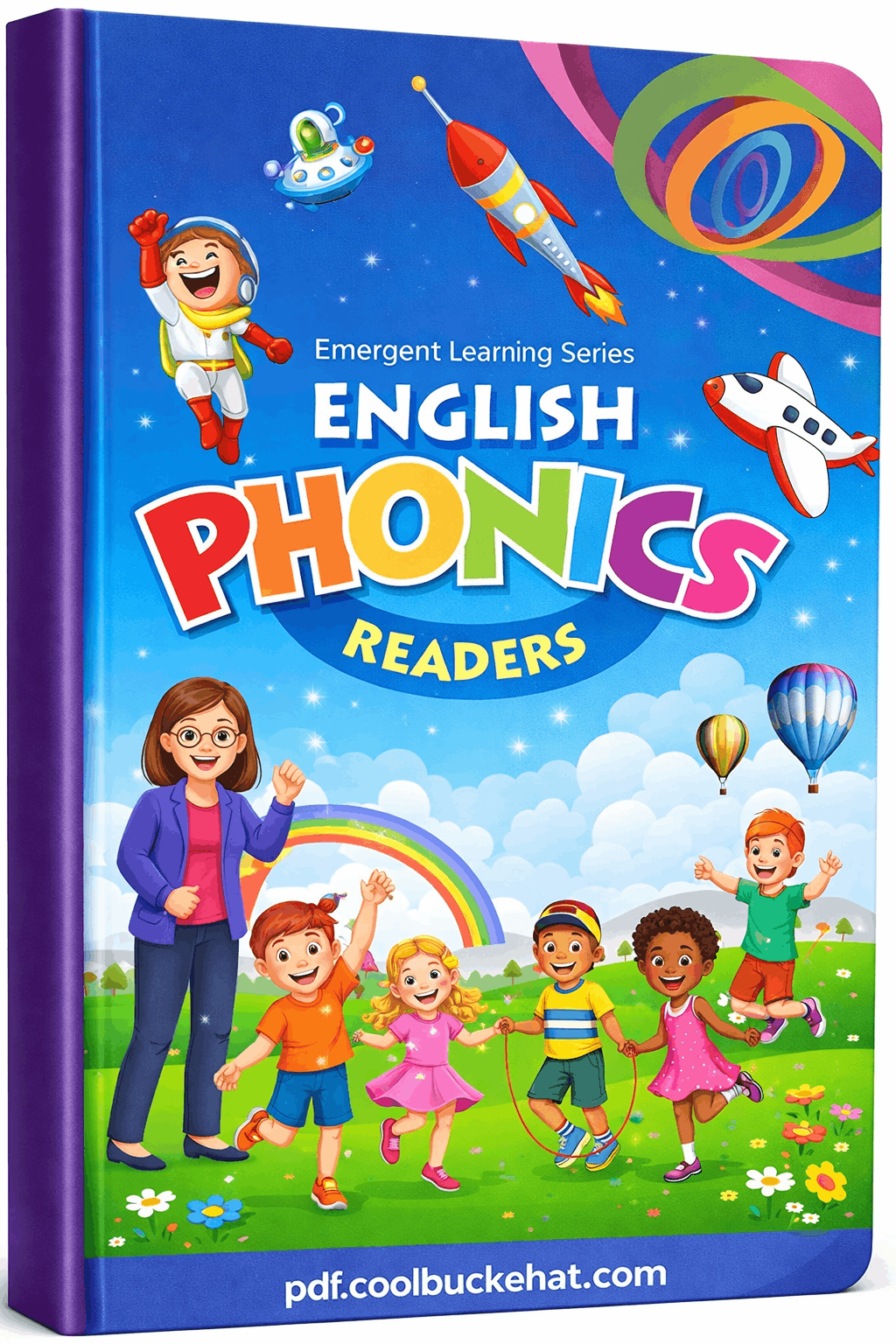
English Phonics Readers for Early Reading Success
English Phonics Readers are essential tools for helping children learn to read with confidence. These books are specially designed to support phonics instruction. They focus on letter sounds, blending, and simple word patterns. As a result, children can decode words more easily and build strong reading foundations.
In this guide, you will learn what phonics readers are, why they are important, how to choose the right ones, and how to use them effectively at home or in the classroom.
What Are English Phonics Readers?
English phonics readers are beginner-level books that follow phonics rules. They introduce words based on specific sound patterns. Instead of guessing words from pictures, children are encouraged to sound them out.
For example, a beginner phonics reader may focus on CVC words like:
Because the vocabulary is controlled, children practice decoding step by step.
Why Phonics Readers Are Important
Phonics readers play a key role in early literacy development.
1. Build Decoding Skills
Children learn to connect letters with sounds. This skill allows them to read unfamiliar words independently.
2. Increase Reading Confidence
When words follow predictable patterns, reading feels easier. Confidence grows with each successful attempt.
3. Improve Fluency
Repeated exposure to similar word families helps children read more smoothly over time.
4. Strengthen Comprehension
When decoding becomes automatic, children can focus on understanding the story.
Types of English Phonics Readers
Phonics readers are often organized by levels.
Level 1: Short Vowel Sounds
These books focus on simple CVC words.
Example sentence:
“The cat is on the mat.”
Level 2: Blends and Digraphs
Children practice words like:
Level 3: Long Vowel Sounds
Words include:
Each level builds on the previous one.
Features of a Good Phonics Reader
When choosing English Phonics Readers, look for these features:
Controlled Vocabulary
Words should match the phonics rule being taught.
Clear Print
Large, readable fonts help young readers focus.
Simple Sentences
Short sentences reduce confusion.
Engaging Illustrations
Pictures should support understanding but not encourage guessing.
Repetition
Repeated patterns reinforce learning.
How to Use Phonics Readers at Home
Parents can support reading development with simple daily routines.
Step 1: Review Letter Sounds
Before reading, quickly review the sounds used in the book.
For example:
“Today we will read words with short a.”
Step 2: Sound Out Words Together
Encourage your child to blend slowly.
c-a-t → cat
m-a-p → map
Avoid rushing.
Step 3: Reread for Fluency
After the first reading, read the story again. Repetition improves speed and accuracy.
Step 4: Ask Simple Questions
After reading, ask:
Who is in the story?
What happened?
Where did they go?
This builds comprehension skills.
Classroom Activities Using Phonics Readers
Teachers can integrate phonics readers into structured lessons.
Guided Reading Groups
Students read in small groups based on level.
Word Highlighting
Have students circle words with a specific sound pattern.
Sentence Building
Ask students to create new sentences using words from the story.
Benefits of Regular Phonics Practice
Consistent reading practice leads to:
Phonics readers create a clear pathway from simple sounds to full sentences.
Common Challenges and Solutions
Guessing Words from Pictures
Encourage children to focus on letters first, then check the picture.
Mixing Letter Sounds
Practice confusing sounds separately before reading.
Losing Focus
Keep reading sessions short and positive.
Transitioning to Advanced Reading
Once children master phonics readers, they can move to:
A strong phonics base makes this transition smooth.
Final Thoughts
English Phonics Readers are powerful tools for early reading success. They provide structured practice, clear sound patterns, and simple stories. When used consistently, they help children become confident and independent readers.
Keep practice short. Encourage effort. Celebrate progress.
With patience and daily reading, phonics skills will grow steadily, opening the door to lifelong learning.